Welcome to Gold Coast, Chicago, IL
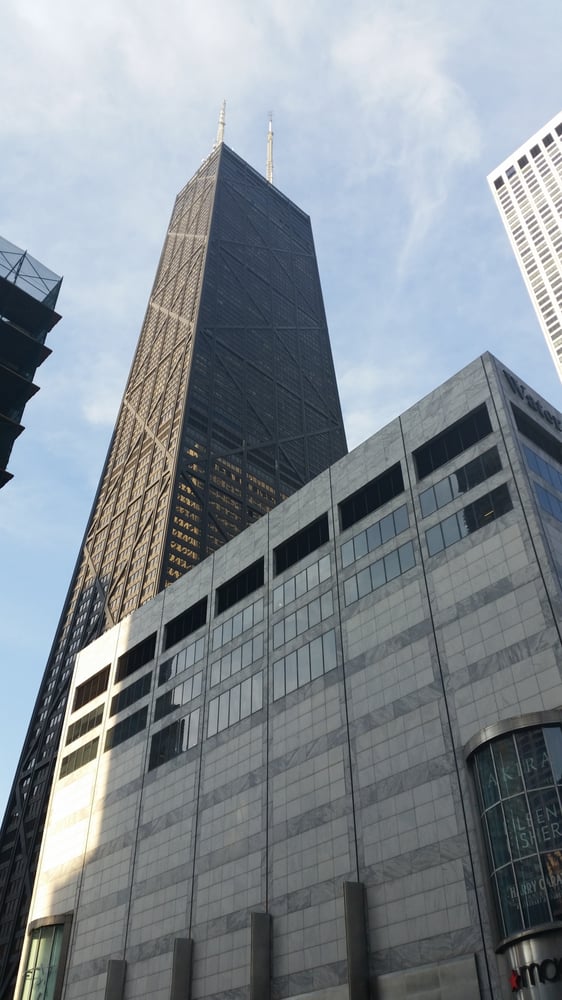
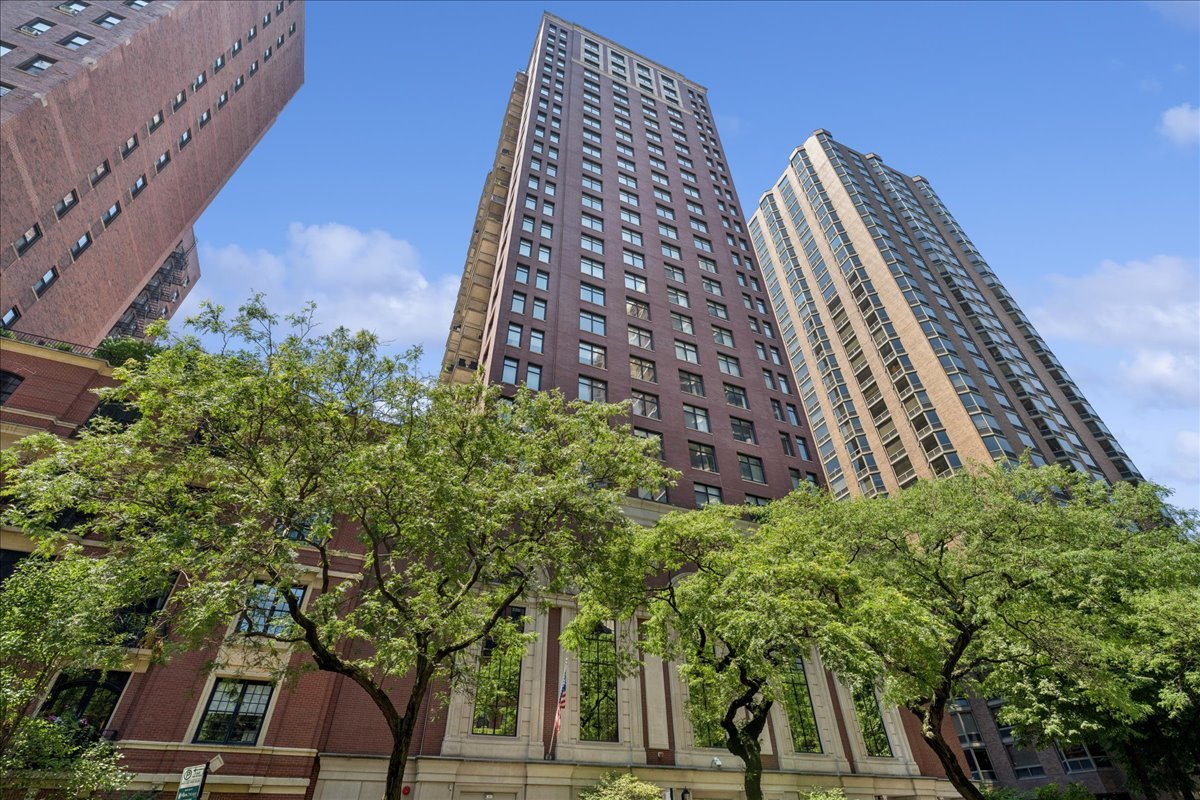
The Gold Coast is Chicago's most enduring address — a compact stretch of lakefront real estate between North Avenue and Oak Street, bounded by Lake Shore Drive to the east and roughly Clark Street to the west. It earned its name honestly: when Potter Palmer built his mansion on Lake Shore Drive in 1882, the city's wealth followed him north, and it never really left. Today the neighborhood reads as a layered thing — landmark greystones and Gilded Age mansions on the Astor Street District sitting alongside 1920s vintage co-ops and sleek glass towers along the Drive.
It tends to attract a specific buyer: someone who wants walkable urban life without giving up architectural pedigree or proximity to the lake. Empty-nesters downsizing from the suburbs, finance and legal professionals who want to be minutes from the Loop, and longtime Chicagoans trading up into a "forever" address all gravitate here. It is not a young, transient renter's neighborhood the way parts of River North or Lakeview can be. People who buy in the Gold Coast usually intend to stay.
Gold Coast Real Estate Trends
The Gold Coast behaves like a luxury market, which means it moves differently than the broader Chicago market. It is less volatile on the way down and slower to spike on the way up. Prestige, location, and a finite supply of land keep a floor under values that newer neighborhoods don't enjoy.
The clearest trend over the past several years has been a split within the market itself. Newer-construction and recently renovated luxury condos — the kind with full amenity packages, deeded parking, and turnkey finishes — have commanded strong premiums and moved with confidence. Meanwhile, vintage co-ops and older condos with high monthly assessments have seen softer, more patient demand. Buyers today are sensitive to carrying costs, and a beautiful pre-war unit with a $2,500 monthly assessment competes against the math, not just the charm.
Where it appears to be heading: continued strength at the top, where scarcity protects value, and ongoing price discipline in the middle tier where assessments and dated systems give buyers leverage. Because this market is so segment-specific, neighborhood-level averages can be misleading — a current, building-specific comparable analysis matters more here than almost anywhere else in the city.
Gold Coast vs. Old Town
These two neighborhoods sit shoulder to shoulder, separated by only a few blocks, yet they feel like different decisions. Buyers torn between them are usually choosing between polish and personality.
| |
Gold Coast |
Old Town |
| Character |
Formal, established, old-money elegance |
Bohemian, historic, more relaxed |
| Housing stock |
Mansions, vintage co-ops, luxury high-rises |
Brownstones, frame cottages, boutique condos |
| Streetscape |
Wide, manicured, lakefront |
Winding, tree-lined, intimate |
| Price ceiling |
Higher; deeper luxury tier |
Strong but generally a notch below |
| Vibe anchor |
Oak Street, the Drive, the beach |
Wells Street, Second City, the farmers market |
Choose the Gold Coast if you want the lake at your doorstep, a doorman building, and the prestige of one of the country's recognizable luxury enclaves. Choose Old Town if you want character-rich historic homes, a more village-like feel, and a slightly more forgiving entry point. Many buyers tour both before they commit — and that's the right instinct.
Buying a Home in the Gold Coast
Buying here is less about speed and more about precision. Outside of the few trophy single-family homes, most purchases fall into three categories: vintage co-op apartments, condominiums in either pre-war or modern buildings, and the occasional landmark townhome. Each comes with its own due-diligence rhythm.
Competitiveness varies sharply by segment. Renovated luxury condos with parking can draw multiple offers and move quickly, while vintage units with deferred maintenance or steep assessments may sit and invite negotiation. The most common contingencies are financing, inspection, and — critically in this neighborhood — review of building financials, reserves, and any pending special assessments. For co-ops, board approval is its own contingency and its own timeline. A strong buyer here comes pre-approved, reads the building's documents closely, and works with an agent who knows which buildings are healthy and which carry hidden costs.
Selling a Home in the Gold Coast
Sellers in the Gold Coast are selling to a discerning, often unhurried audience, and the strategy reflects that. This is not a market where you list low to spark a frenzy. Buyers at this level expect a property to be priced with conviction and presented impeccably.
Staging expectations are high. Empty vintage units almost always benefit from professional staging that helps buyers read the scale and flow of older floor plans. Modern condos sell best when finishes feel current — buyers will mentally deduct the cost of any kitchen or bath they expect to redo. Homes that are correctly priced and well-presented can move within weeks; homes that are overpriced or tired can linger for months and accumulate the kind of "days on market" history that invites lowball offers. Pricing right the first time is the single most important lever a seller controls.
What to Know Before You Buy in the Gold Coast
A few market-specific realities catch newcomers off guard, and they're worth understanding before you fall in love with a listing.
First, co-ops are common here in a way they aren't in most of Chicago. A co-op means you're buying shares in a corporation rather than a deeded unit, which changes your financing, your closing process, and your need for board approval. Some of the most coveted vintage buildings are co-ops, and they often require larger down payments and stricter financial vetting.
Second, assessments and reserves deserve real scrutiny. Older buildings carry the cost of maintaining historic facades, elevators, and mechanical systems. A low purchase price paired with a high assessment — or a building with thin reserves and looming capital projects — can cost you more over time than a higher-priced, well-funded building.
Third, the Astor Street District is a designated landmark area. That prestige comes with rules: exterior alterations are regulated, and renovation timelines can stretch. Finally, parking is a genuine luxury — deeded spaces trade at a premium, and a unit without parking is a meaningfully different product in a neighborhood where street parking is scarce. Flooding is not a major concern this far inland of the floodplain, but lakefront wind and weather exposure are real considerations for higher floors.
How to Price Your Home in the Gold Coast
Pricing in the Gold Coast is an exercise in building-specific comparables, not neighborhood averages. Two units a block apart can justify very different prices based on the building's reputation, financial health, monthly assessment, parking, views, and the quality of recent updates. The right comp set is usually drawn from the same building or a tight cluster of peer buildings — not a broad sweep of "Gold Coast sales."
The pricing psychology here favors confidence over bait. Luxury buyers interpret an underpriced listing with suspicion and an overpriced one with patience — they'll simply wait for a reduction. The most effective approach is to price at or just inside true market value so the home shows as a credible, well-positioned listing from day one. Momentum in the first two weeks matters enormously; a home that opens strong sets its own narrative, while one that opens high spends the rest of its listing apologizing for it.
Gold Coast Vibe & Culture
The Gold Coast carries itself with a quiet, settled confidence. It's urban and walkable, but the energy is refined rather than raucous — think morning joggers on the Lakefront Trail, dogs being walked past landmark facades, and well-dressed crowds spilling out of Oak Street boutiques. There's history in the air: Washington Square Park, known affectionately as Bughouse Square, was once the city's great open-air free-speech forum, and that intellectual undercurrent still lingers around the neighboring Newberry Library.
Come a few blocks south and the personality shifts into something glossier and more social around the Rush and Division Street corridor. The neighborhood manages to hold both moods at once — patrician calm to the north, polished nightlife to the south — and residents tend to enjoy the ability to choose their evening depending on their tempo.
Gold Coast Walkability & Commute
This is one of the most walkable neighborhoods in Chicago, with daily errands, dining, and the lakefront all reachable on foot. Most residents find they can live a genuinely car-optional life here.
For transit, the CTA Red Line stops at Clark/Division put riders in the Loop in roughly ten to fifteen minutes, and a dense web of bus routes runs along the major corridors and down Lake Shore Drive. The commute to the central business district is short enough that many residents simply walk or bike it in good weather. Cycling is well supported by Divvy stations throughout the area and the Lakefront Trail a block east — one of the best urban bike paths in the country. For drivers, quick access to Lake Shore Drive makes north-south travel easy, though parking, as noted, is a premium worth budgeting for.
Gold Coast Schools
For family buyers, the Gold Coast sits within Chicago Public Schools and is anchored by Ogden International School of Chicago, a well-regarded neighborhood option offering an International Baccalaureate program across its elementary and high school campuses. Attendance boundaries and any selective-enrollment requirements shift over time, so confirming a specific address's assignment is an essential step rather than an assumption.
The neighborhood's real strength for families, though, is its proximity to some of the city's most respected private schools. The Latin School of Chicago, Catherine Cook School, and British International School of Chicago, among others, are all within easy reach, and a meaningful share of Gold Coast families choose the private route. School quality is one of the highest-intent factors for buyers with children, and it's worth a focused conversation early in your search.
Parks & Outdoor Space in the Gold Coast
Despite its density, the Gold Coast is well supplied with green space. Washington Square Park offers a historic, tree-canopied square in the heart of the neighborhood, while smaller pocket parks like Goudy Square and Mariano Park give residents quiet places to pause. The true outdoor draw, though, is the lakefront: Oak Street Beach sits at the neighborhood's southeast edge, and the Lakefront Trail delivers miles of running, cycling, and walking just steps away. For buyers who want urban living without sacrificing access to open air and water, the location is hard to beat.
Dining & Nightlife in the Gold Coast
The dining scene here functions as a lifestyle signal as much as a meal. The Rush and Division Street cluster — long nicknamed the Viagra Triangle for its well-heeled, see-and-be-seen crowd — is home to Chicago institutions like Gibsons Bar & Steakhouse, Tavern on Rush, and Hugo's Frog Bar, where business dinners and celebrations spill onto the patios all summer. For something more designed and dramatic, Maple & Ash anchors the modern steakhouse scene, while Le Colonial brings a quieter, refined elegance.
The overall energy leans upscale and convivial rather than late-night and edgy. This is a neighborhood where dinner runs long and the nightlife is more about a great bar and a good crowd than a club scene — a tone that fits the residents who choose to live here.
Shopping in the Gold Coast
Few neighborhoods in the country can match the Gold Coast for shopping at your doorstep. Oak Street is Chicago's luxury retail row, lined with designer boutiques, while the northern stretch of the Magnificent Mile along Michigan Avenue offers everything from flagship department stores to everyday essentials. Beyond the marquee names, the surrounding streets carry pharmacies, grocers, and specialty shops that make daily life genuinely convenient. From a buyer's standpoint, it means you can cover both a wardrobe refresh and a grocery run without ever getting in a car.
Find Your Home in the Gold Coast
The Gold Coast rewards buyers and sellers who know its details — which buildings are financially sound, which co-ops welcome your financing, and how to read a comp set that's really only a few addresses deep. That local fluency is the difference between a confident decision and an expensive surprise.
If you're thinking about buying or selling in the Gold Coast, the team at Second City Agents would be glad to help you navigate it. We bring hyper-local knowledge of the neighborhood's buildings, pricing dynamics, and inventory — including listings before they hit the wider market — along with the straightforward, experienced guidance this caliber of real estate deserves. Whether you're touring your first vintage co-op, weighing the Gold Coast against Old Town, or preparing to list a home you've loved for years, we'd welcome the conversation. Reach out to Second City Agents to set up a consultation and start your search with people who know this corner of Chicago inside and out.