67,831 people live in Lincoln Park, where the median age is 33 and the average individual income is $113,478. Data provided by the U.S. Census Bureau.
Total Population
Median Age
Population Density Population Density This is the number of people per square mile in a neighborhood.
Average individual Income
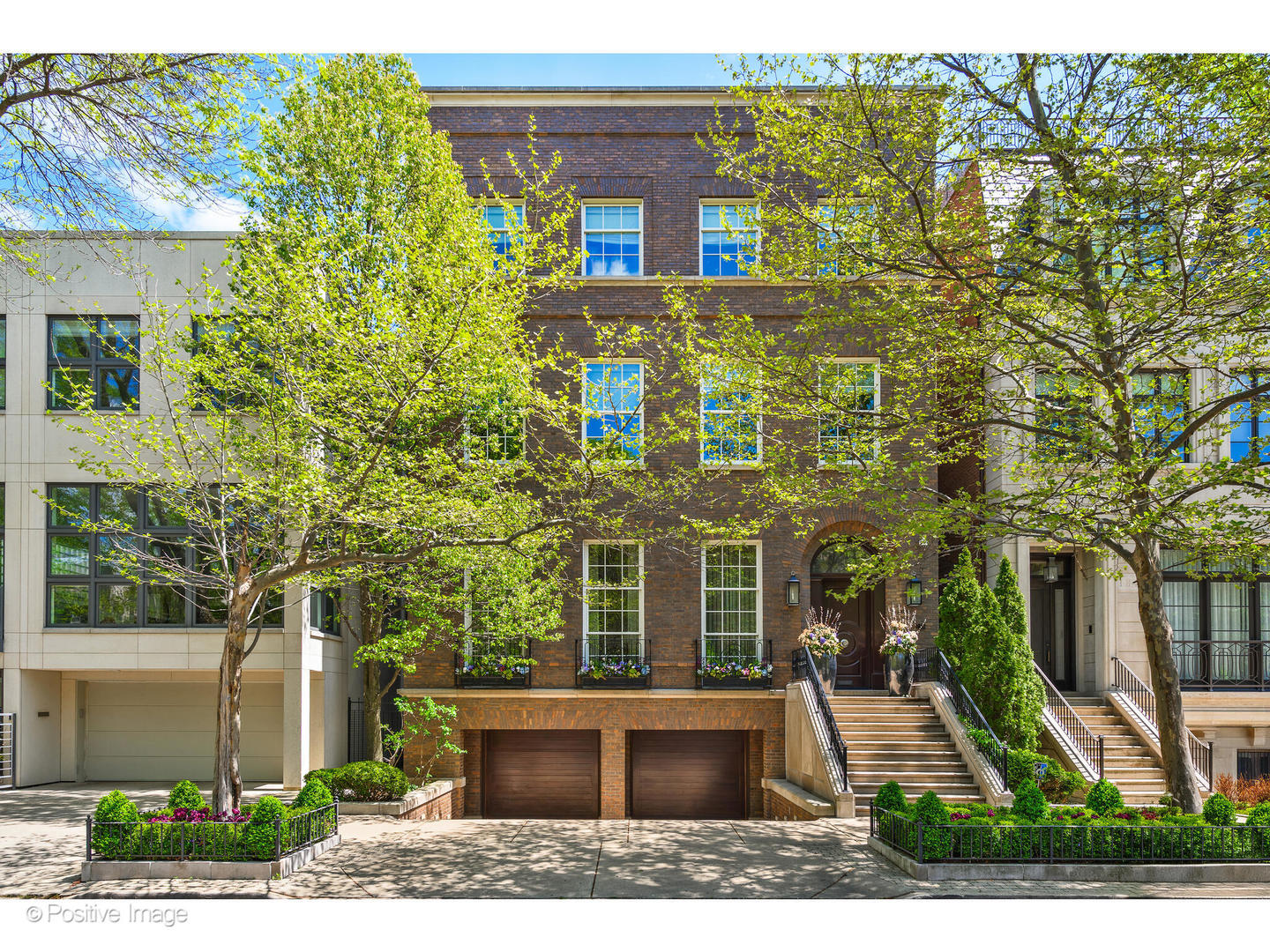
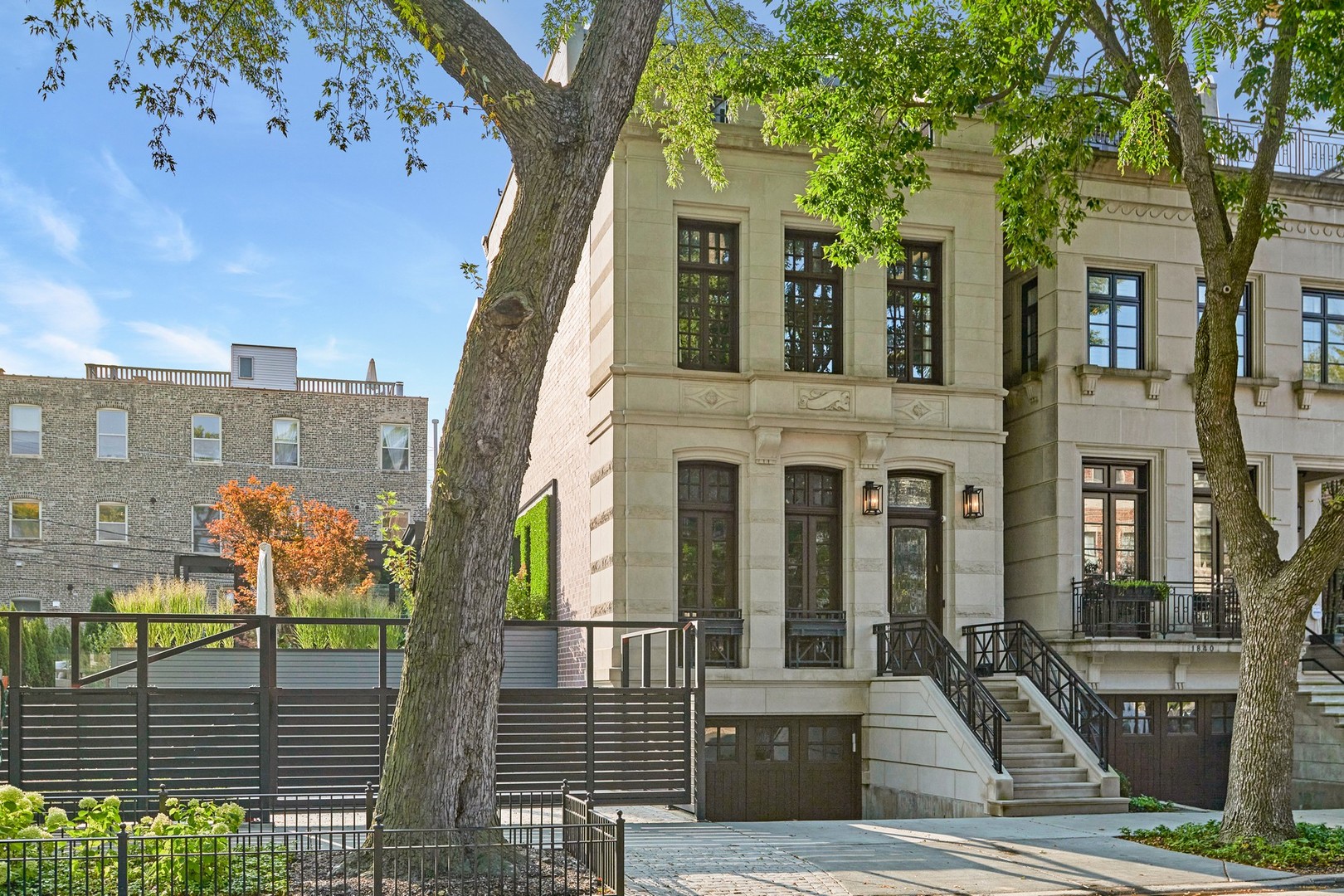
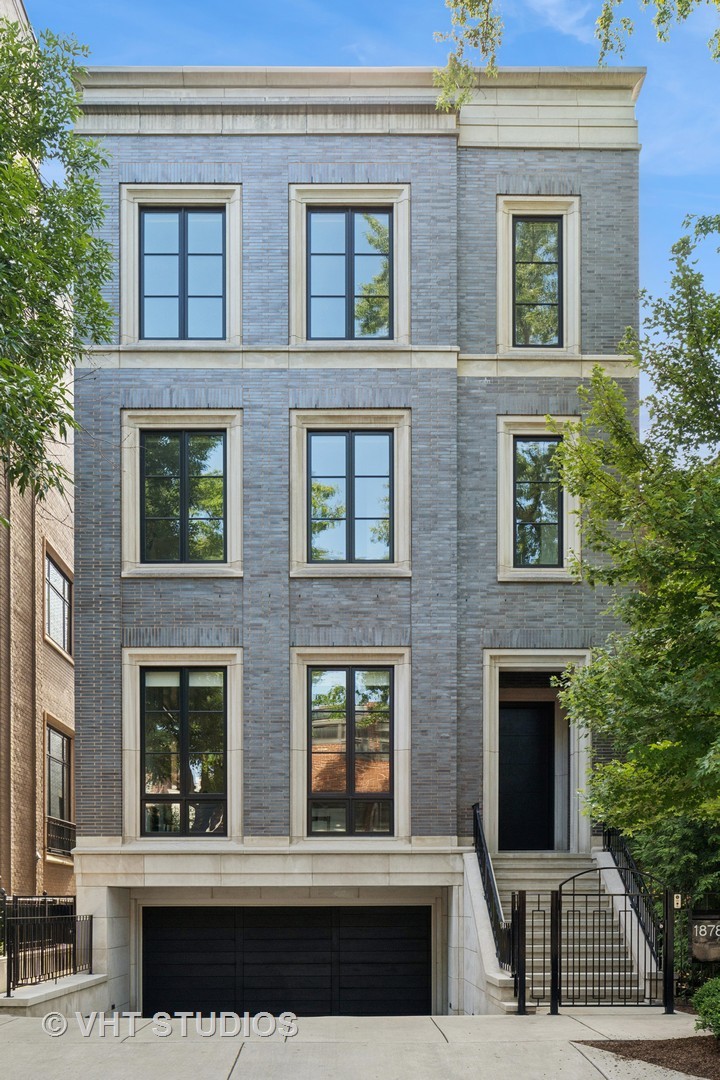
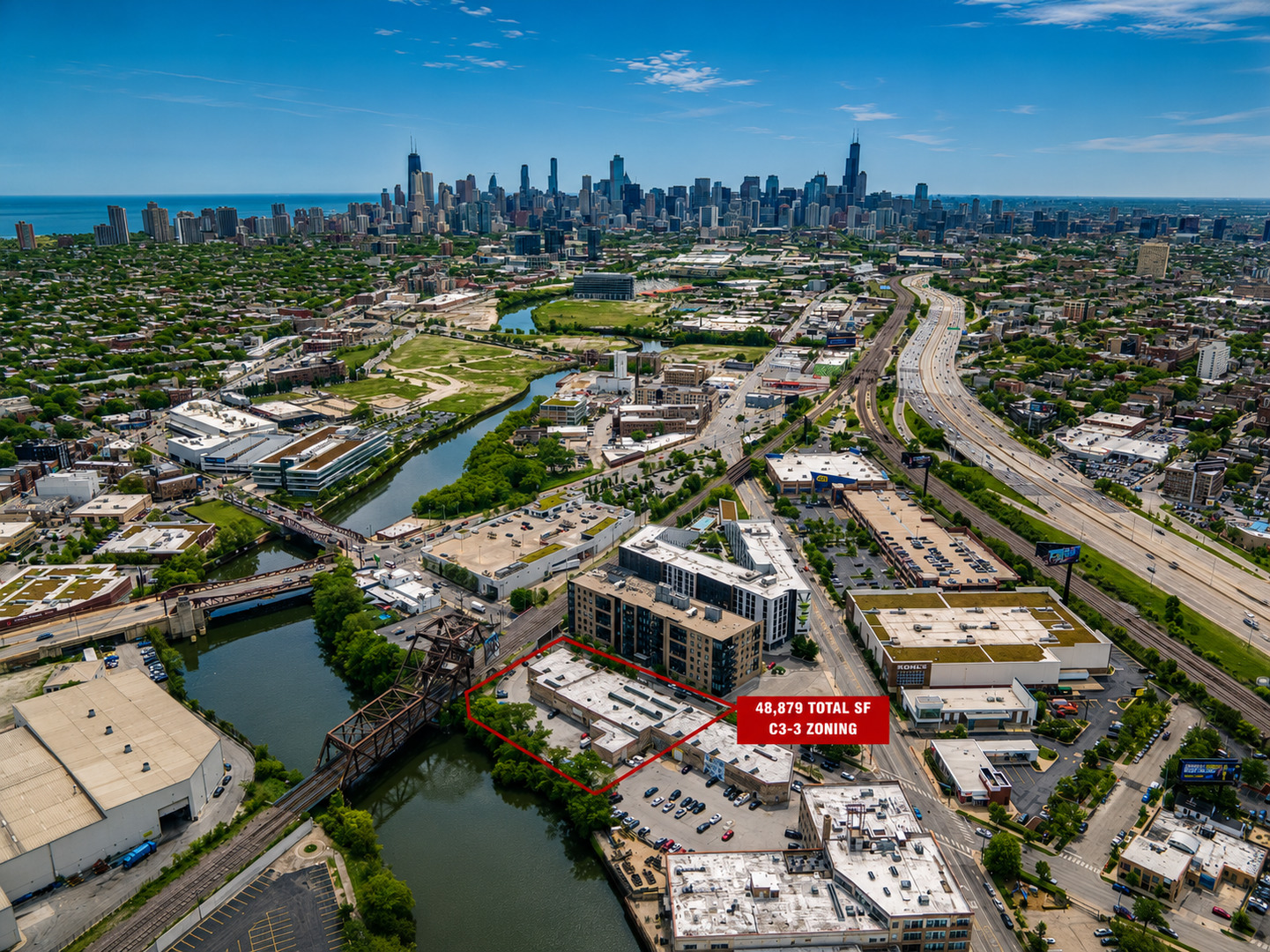
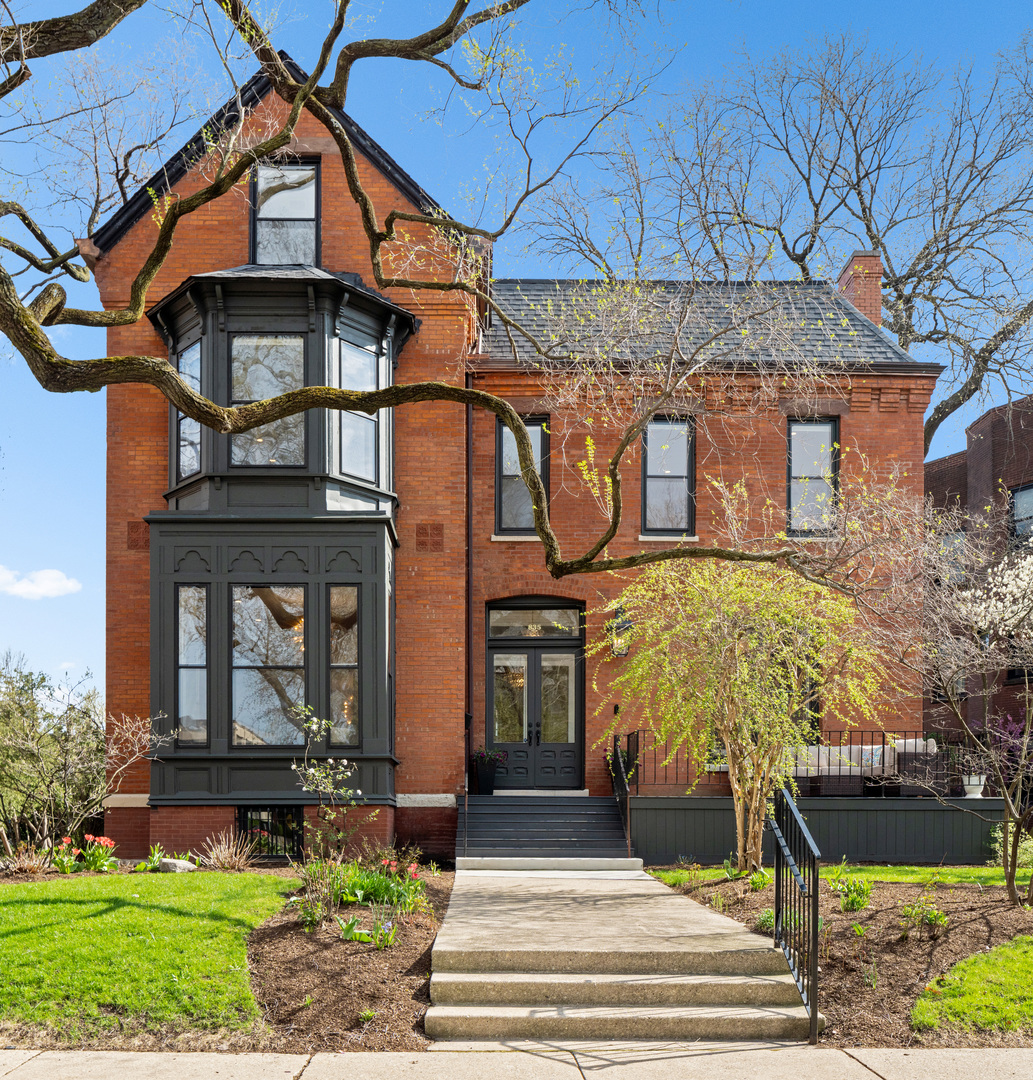
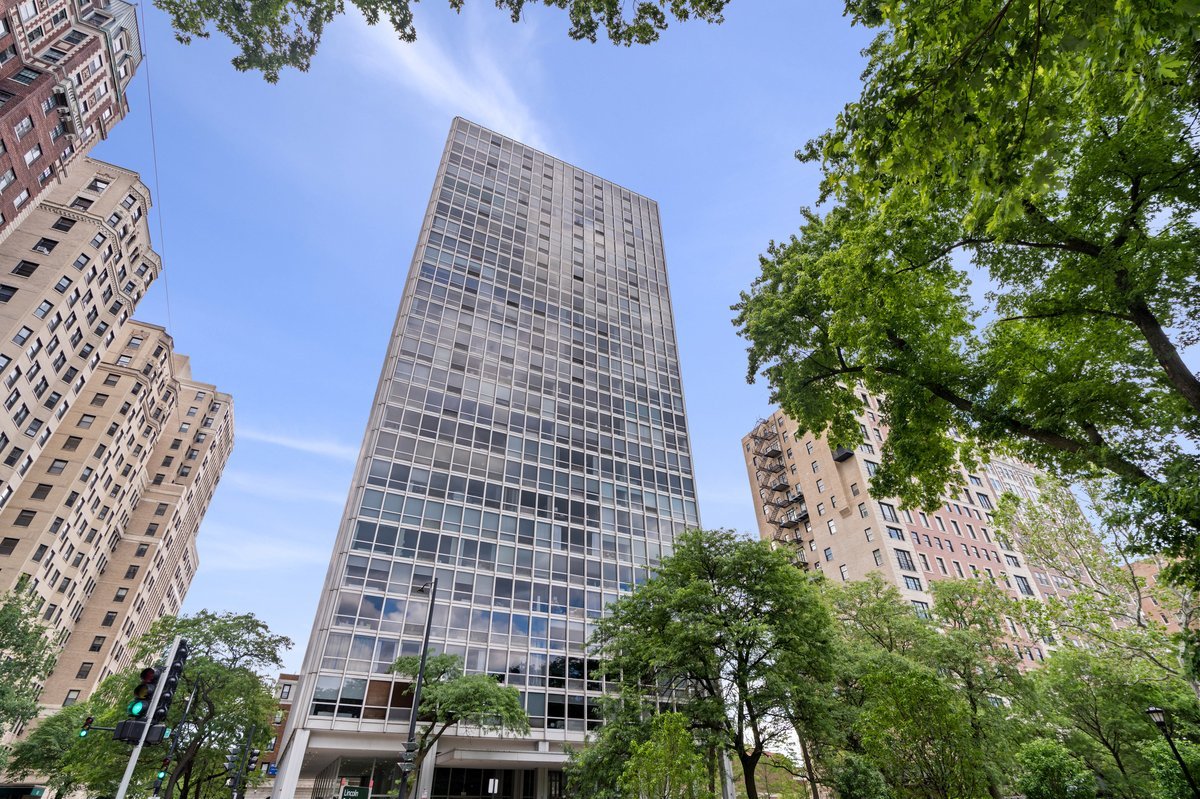
Lincoln Park is the stretch of Chicago's North Side that most people picture when they imagine "the nice part of the city" — tree-canopied side streets, restored greystones, and a 1,200-acre namesake park separating the residential blocks from Lake Michigan. It runs roughly from North Avenue up to Diversey Parkway, and from the Chicago River east to the lakefront, which means it manages to feel both densely urban and unusually green at the same time.
The buyers it attracts tend to fall into a few recognizable camps. There are the move-up families trading a condo elsewhere for a single-family home with a yard and a coveted school boundary. There are the professionals and dual-income couples who want walkability, a short commute downtown, and architecture with some character. And there's a steady current of DePaul University affiliation — students, faculty, and the investors who buy near campus. What unites them is that almost no one lands in Lincoln Park by accident. People choose it deliberately, usually after deciding they want city life without giving up trees, space, and a sense of permanence. It is, fundamentally, a long-term neighborhood — the kind of place people plant themselves for a decade or more.
If there's one word I'd use to describe this market over time, it's durable. Lincoln Park has been one of Chicago's most expensive and supply-constrained neighborhoods for decades, and the reasons are structural rather than fashionable: the land is finite, much of it is protected by landmark designations, and you simply cannot build much new inventory. That scarcity is the engine underneath nearly every trend you'll see here.
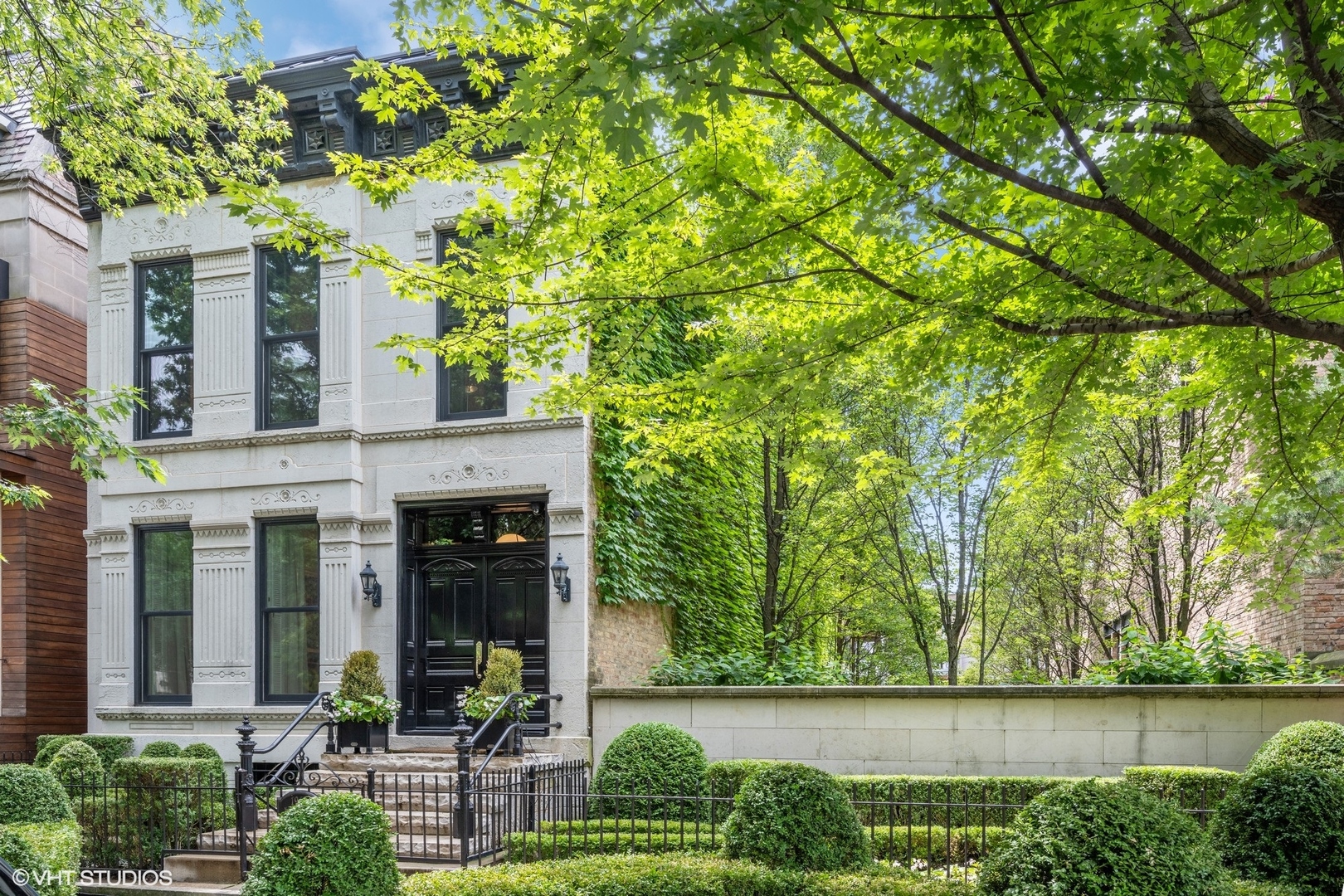
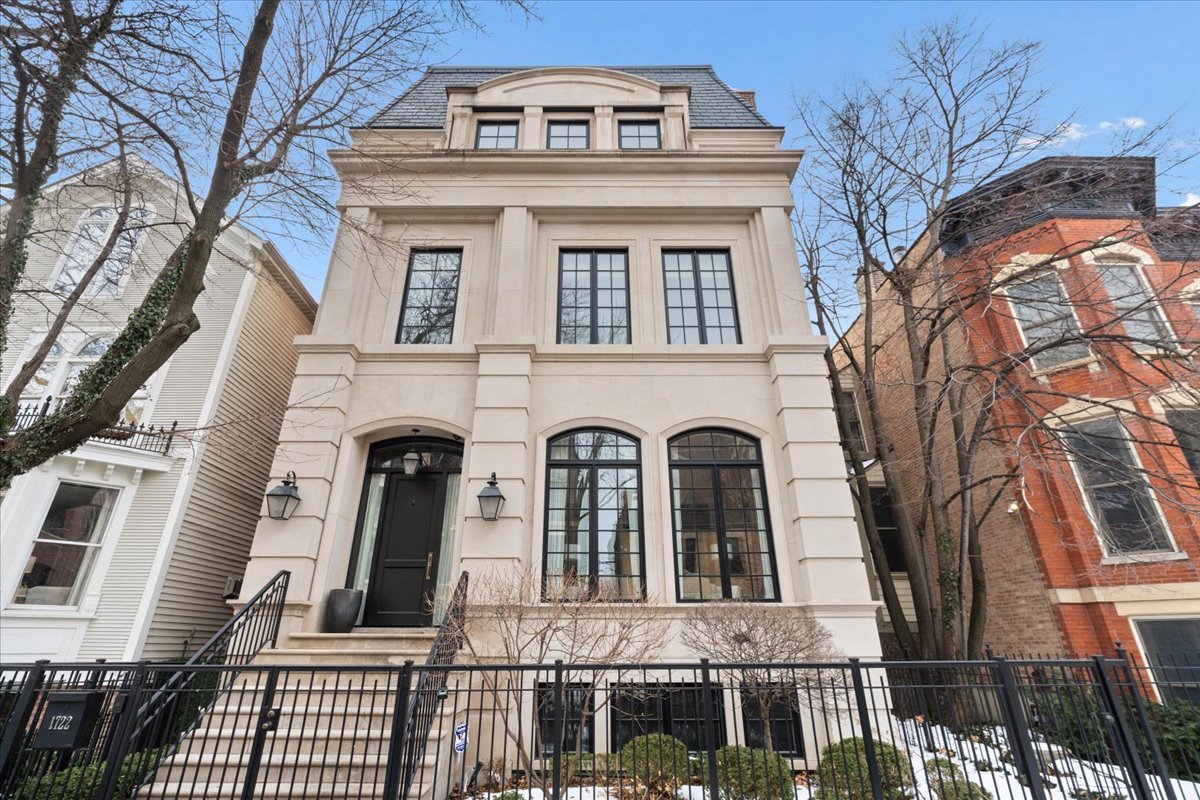
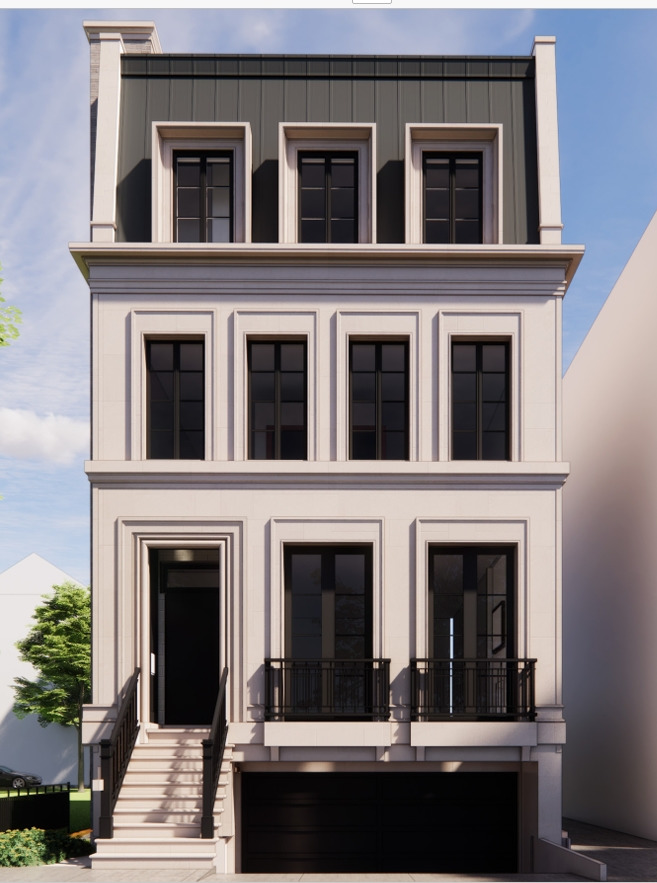
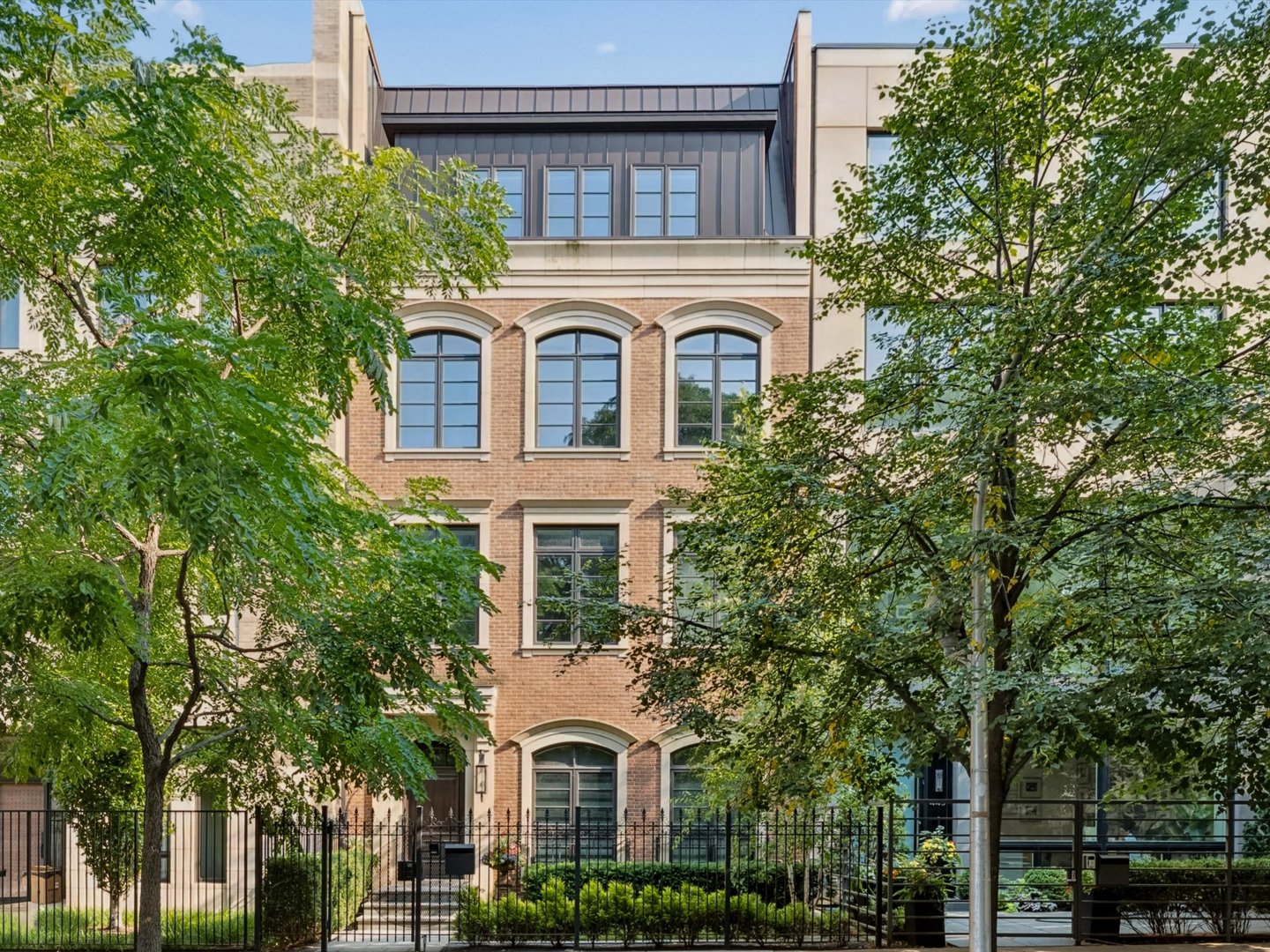
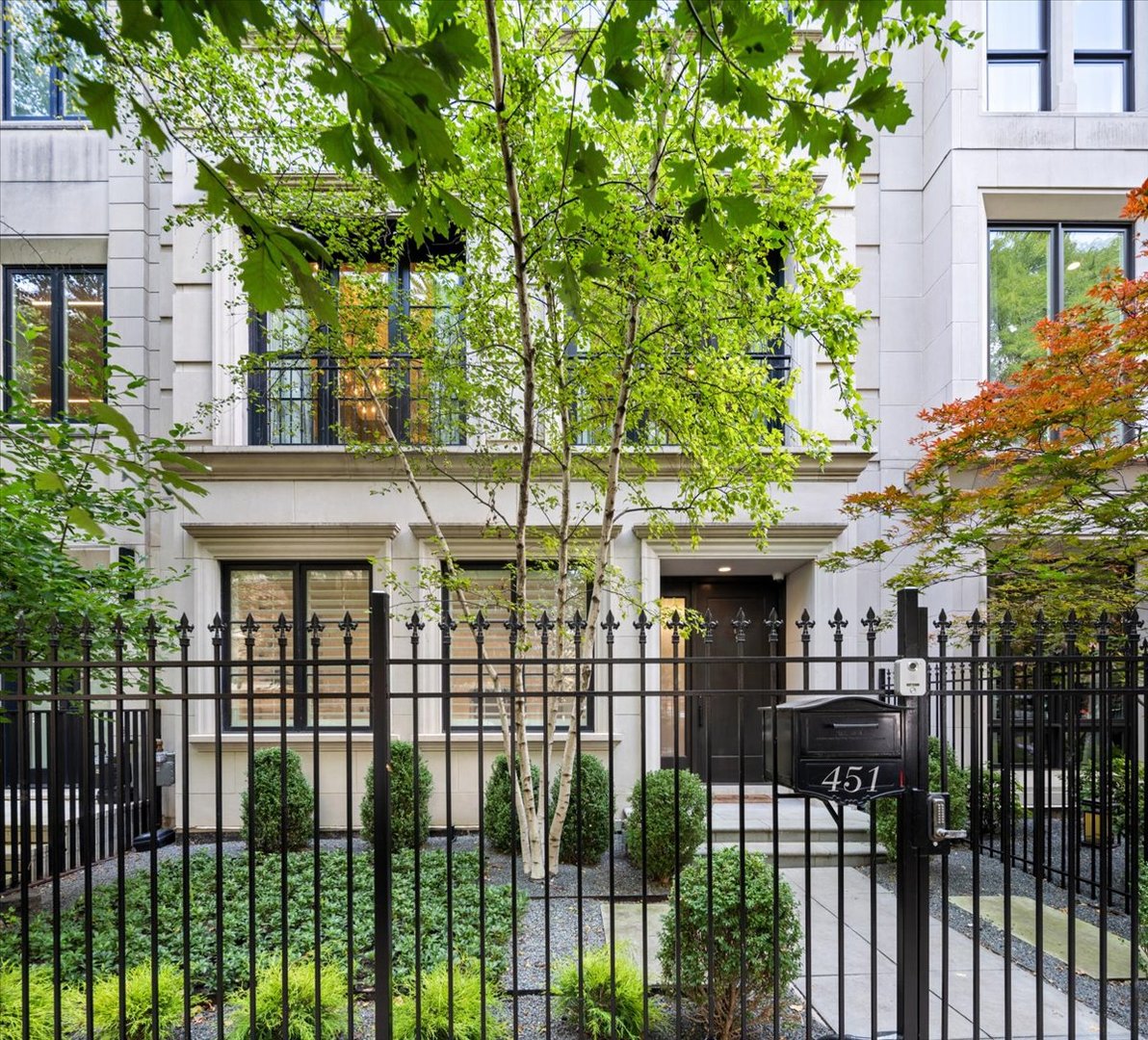
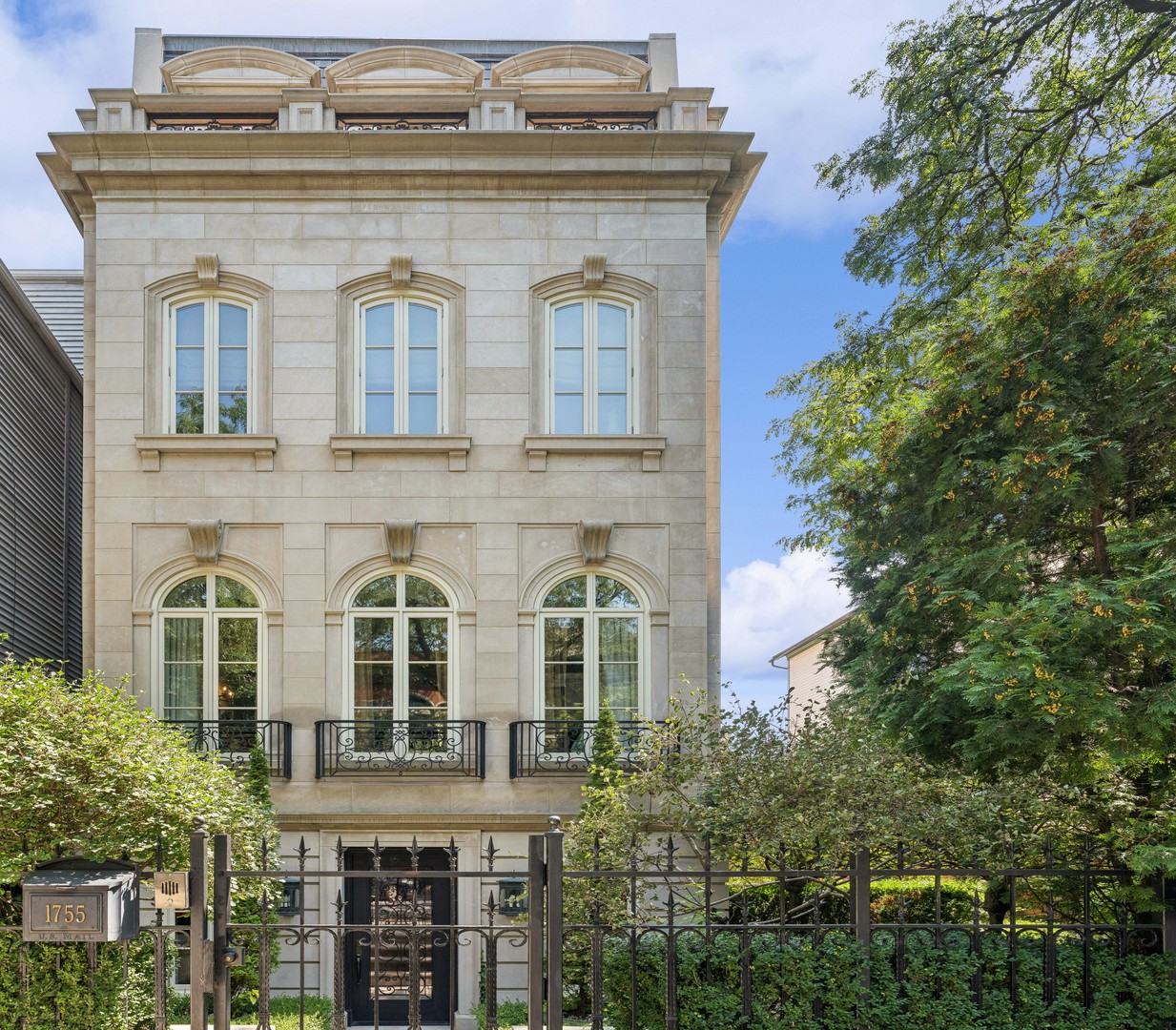
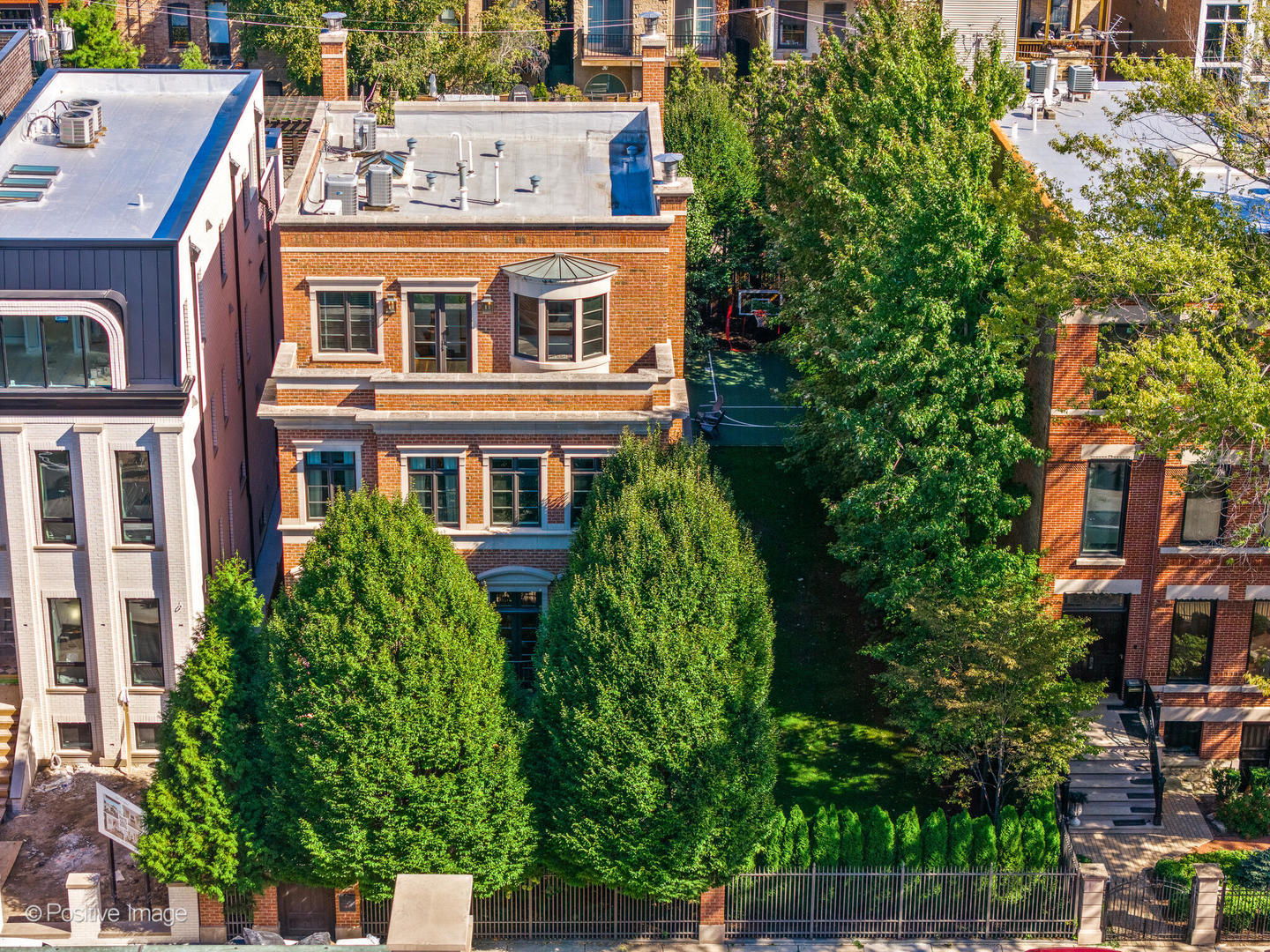
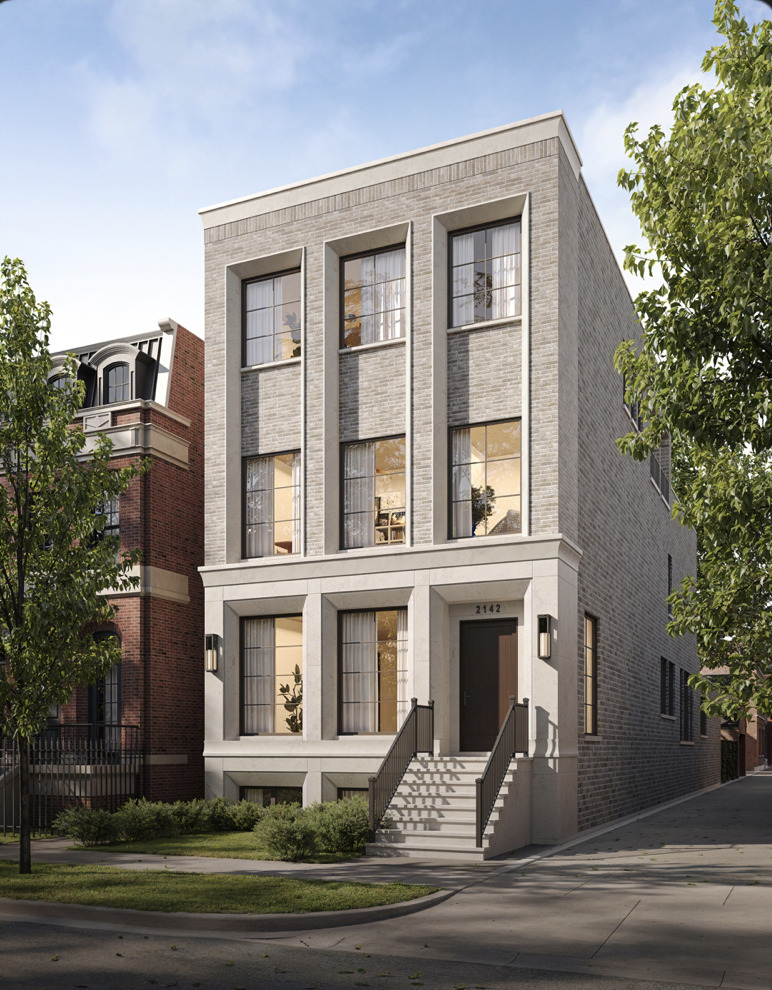
The market is best understood in layers rather than as a single number. Renovated and new-construction single-family homes — particularly the wide-lot homes on the prime streets — sit at the very top of the city's pricing and tend to hold value even when the broader market cools. Vintage condos in walk-up buildings are the more accessible entry point and behave more sensitively to interest rates and buyer sentiment. New-construction condos and townhomes occupy the middle and trade on finishes and parking.
Over the past several years the dominant story has been a flight to quality: turnkey, well-located properties move quickly and competitively, while dated units that need work sit longer and require sharper pricing. Because Cook County property taxes and periodic reassessments meaningfully affect carrying costs, I'd treat tax history as part of the "price" of any home here, not a footnote. The market is also strongly seasonal — the spring selling window remains the most active, with a secondary push in early fall. For anything beyond these general patterns, current monthly figures move enough that I'd want to pull live comparables before quoting you a number.
These two are the most common "I can't decide between them" pairing I encounter, because they sit right next to each other and share a lot of DNA. The honest distinction is one of tone and price more than quality of life.
| Lincoln Park | Lakeview | |
|---|---|---|
| Overall feel | Established, polished, slightly more grown-up | Younger, livelier, more eclectic |
| Price point | Generally higher across property types | Often a more attainable entry, especially for condos |
| Housing stock | Greystones, rowhouses, luxury single-family, vintage condos | More three-flats, walk-ups, and converted buildings |
| Energy | Quieter residential blocks, refined retail | Wrigleyville and the bar corridors bring more nightlife |
| Who it suits | Buyers prioritizing schools, space, and long-term hold | Buyers prioritizing value, social scene, and flexibility |
My shorthand: if you're optimizing for the long-term family home and you can stretch the budget, Lincoln Park usually wins. If you want more home — or more social life — for the dollar and you're earlier in that stage, Lakeview is the smart shortlist. Plenty of my clients buy in Lakeview first and move into Lincoln Park a few years later, which tells you something about how these neighborhoods relate.
Buying here is competitive, and the competition is concentrated where you'd expect: turnkey homes in strong school boundaries and well-run condo buildings with parking. For those properties, you should be prepared to move fast, write clean, and in tight situations expect to compete against other offers. The dated or oddly configured listings are where patient buyers find leverage.
Property types vary more than newcomers expect. You'll see everything from one-bedroom vintage condos in classic walk-ups, to garden (lower-level) units that trade at a discount for a reason, to wide single-family homes that reach well into the multi-millions. Each comes with its own due-diligence checklist. For condos, the building matters as much as the unit — I read the reserves, the assessment history, special-assessment risk, and the rental cap before I get attached to a kitchen. For single-family homes, the big variables are parking, the age of mechanicals and the roof, and whether prior renovations were permitted.
On contingencies, financing and inspection remain standard, but in vintage buildings the inspection step carries real weight — knob-and-tube remnants, tuckpointing needs, and aging sewer lines are the kinds of things that turn up. A sewer scope on an older single-family home is money well spent. None of this should scare a buyer; it just means the inspection isn't a formality here, it's where the real negotiating often happens.
Lincoln Park sellers have a strong hand, but the market rewards precision over optimism. The homes that sell quickly and at or above ask are almost always the ones priced correctly out of the gate and presented in move-in condition. Buyers at this price point have done their homework; they recognize an aspirational list price immediately, and an overpriced launch usually costs you more than it gains, because the eventual price cut signals weakness.
Staging expectations are higher than in many Chicago neighborhoods. For single-family homes and higher-end condos, professional staging, professional photography, and often a pre-listing touch-up of paint and fixtures are the baseline, not the upgrade. Buyers are paying for a lifestyle, and the listing has to project it. Vintage character sells beautifully here, but only when it's clean, bright, and clearly maintained.
Speed depends heavily on segment and season. A well-priced, well-staged home in a desirable boundary listed in spring can move in days. A more specialized property — a very large home, an unusual layout, or a unit in a building with a known issue — needs a longer runway and a more strategic pricing conversation. The mistake I see most often is sellers treating their property as average inventory when Lincoln Park buyers shop very specifically.
A few neighborhood-specific realities will shape your search more than any listing photo. The first is landmark and historic district regulation. Portions of Lincoln Park — the Mid-North District being the best-known — carry landmark protections that govern what you can change on a building's exterior. That's part of what keeps the streets beautiful, but it also means a renovation or addition can require additional review and time. If you're buying with a remodel in mind, confirm the rules before you fall in love.
The second is parking. Many vintage homes and condos have no dedicated parking, and zoned permit parking is the norm on residential streets. A deeded garage space can add real value and real cost, and its absence should factor into both your offer and your daily-life calculus.
Third, pay attention to condo association health and property taxes. With association-governed buildings, the reserves and assessment history tell you more about your future than the granite countertops do. And because Cook County reassessments can shift a tax bill meaningfully, I always look at the trajectory rather than just the current year's number. Flooding is generally less of a concern here than in some low-lying areas, but lower-level garden units and basements warrant a closer look at drainage, sump systems, and any history of water — questions a good inspector will help you answer.
Pricing in Lincoln Park is a craft, because the comps are rarely apples-to-apples. Two greystones on the same block can differ by hundreds of thousands of dollars based on lot width, level of renovation, parking, and whether the layout works for modern living. So I don't price off averages — I price off the three or four genuinely comparable sales and adjust honestly for the differences.
The psychology matters as much as the math. The most effective strategy I use is pricing to invite competition rather than to leave nothing on the table. A home priced a touch under its ceiling, launched in a strong week, with great photography and a well-attended first weekend, often draws multiple buyers and sells above where a higher "leave room to negotiate" price would have landed. The overpriced listing, by contrast, trains the market to wait for a reduction — and the reduction almost always undershoots what an accurate launch would have produced.
My practical advice to sellers: anchor to recent, truly comparable sales; account for parking and condition as real line items; respect the seasonal calendar; and resist the temptation to price for your emotional attachment. Lincoln Park buyers reward a confident, accurate number far more than an ambitious one.
The personality of Lincoln Park is refined urban — energetic enough to feel like a real city neighborhood, calm enough to raise a family. The residential blocks are genuinely quiet and leafy, lined with restored historic homes that give the area a settled, almost timeless feel. Then you step onto a commercial corridor like Armitage, Halsted, or Clybourn and the city returns: cafés, boutiques, joggers heading to the lake, students moving between DePaul's buildings.
The cultural anchors are some of Chicago's best-loved institutions. Lincoln Park Zoo is free and open year-round, the Lincoln Park Conservatory and the Peggy Notebaert Nature Museum sit nearby, and the lakefront is right there. There's a strong sense of neighborhood identity, reinforced by long-standing local associations and a population that tends to stay. If Wicker Park is the artsy, edgier cousin and the Gold Coast is the formal one, Lincoln Park is the polished, livable middle — sophisticated without being stuffy, and family-friendly without being sleepy.
This is one of the most walkable neighborhoods in the city, and it's a major part of the value proposition. Daily errands — groceries, coffee, dry cleaning, dinner — are typically a stroll rather than a drive, and the walk scores reflect that. It's also a strong biking neighborhood, with the Lakefront Trail providing a long, car-free corridor that doubles as both recreation and a genuine commuting route.
For transit, you're well covered. The CTA Red Line (with stops including North/Clybourn and Fullerton) and the Brown and Purple Lines (Armitage, Fullerton, Diversey, Sedgwick) put downtown within a short, reliable ride, and an extensive bus network fills the gaps. Drivers have quick access to Lake Shore Drive for a scenic route to the Loop. The practical takeaway: many Lincoln Park households function comfortably with one car or none, and proximity to the downtown employment core is one of the neighborhood's most durable selling points.
For family buyers, this is often the section that decides everything, so I'll be straight with you about how it works. Lincoln Park is served by Chicago Public Schools, and in CPS, the specific attendance boundary you fall into can matter as much as the neighborhood name — homes a few blocks apart can feed into different schools, which is why I always verify the current boundary for any address rather than assuming.
The neighborhood is home to several well-regarded options, including Lincoln Elementary and Lincoln Park High School, the latter known for its International Baccalaureate program, along with magnet and selective-enrollment programs that draw families from across the city. On the private side, the area's reputation is anchored by institutions like Francis W. Parker School, with other respected independent and international schools within easy reach. Ratings shift year to year and selective-enrollment admissions are competitive and test-based, so if schools are central to your decision, treat the boundary and enrollment research as a first-week priority — it can genuinely shape which blocks belong on your list.
The neighborhood's defining amenity is the park itself — a sprawling lakefront expanse with harbors, beaches, lagoons, ball fields, and miles of trail, all essentially functioning as the backyard for the entire community. North Avenue Beach sits at its southern edge, and the Lakefront Trail runs the whole length for running, cycling, and weekend wandering. For buyers, proximity to this green space is a real and lasting value driver; the closer a home sits to the park and lake, generally the stronger its long-term demand.
Beyond the marquee park, smaller neighborhood parks and the Lincoln Park Conservatory add everyday breathing room, and the tree-lined residential streets give the area a greener feel than its density would suggest. For an urban neighborhood, the access to outdoor space is genuinely exceptional, and it's one of the first things I point out to clients moving in from denser parts of the city.
The food scene here is a lifestyle signal as much as a convenience. Lincoln Park is home to some of the most celebrated dining in the country — most notably Alinea, one of the world's most acclaimed restaurants — alongside a deep bench of polished neighborhood favorites like Boka and the seasonal, park-set North Pond. The point isn't the individual names so much as what they tell you: this is a neighborhood where you can eat at a destination restaurant and a great casual spot within the same few blocks.
Nightlife skews a touch more grown-up than the rowdier corridors to the north, though the DePaul presence keeps a livelier student-oriented bar scene alive around Lincoln Avenue. You'll find wine bars, cocktail spots, comedy and music venues, and plenty of relaxed pubs. For most residents, the appeal is that you rarely have to leave the neighborhood for a good night out — and you rarely have to go far for an excellent one.
Shopping here covers both ends of the spectrum, which is part of what makes daily life so frictionless. Armitage Avenue is the charming, boutique-lined stretch — independent fashion, home goods, and specialty shops in a walkable, postcard setting that locals genuinely use rather than just admire. It's the kind of retail that makes a neighborhood feel like a neighborhood.
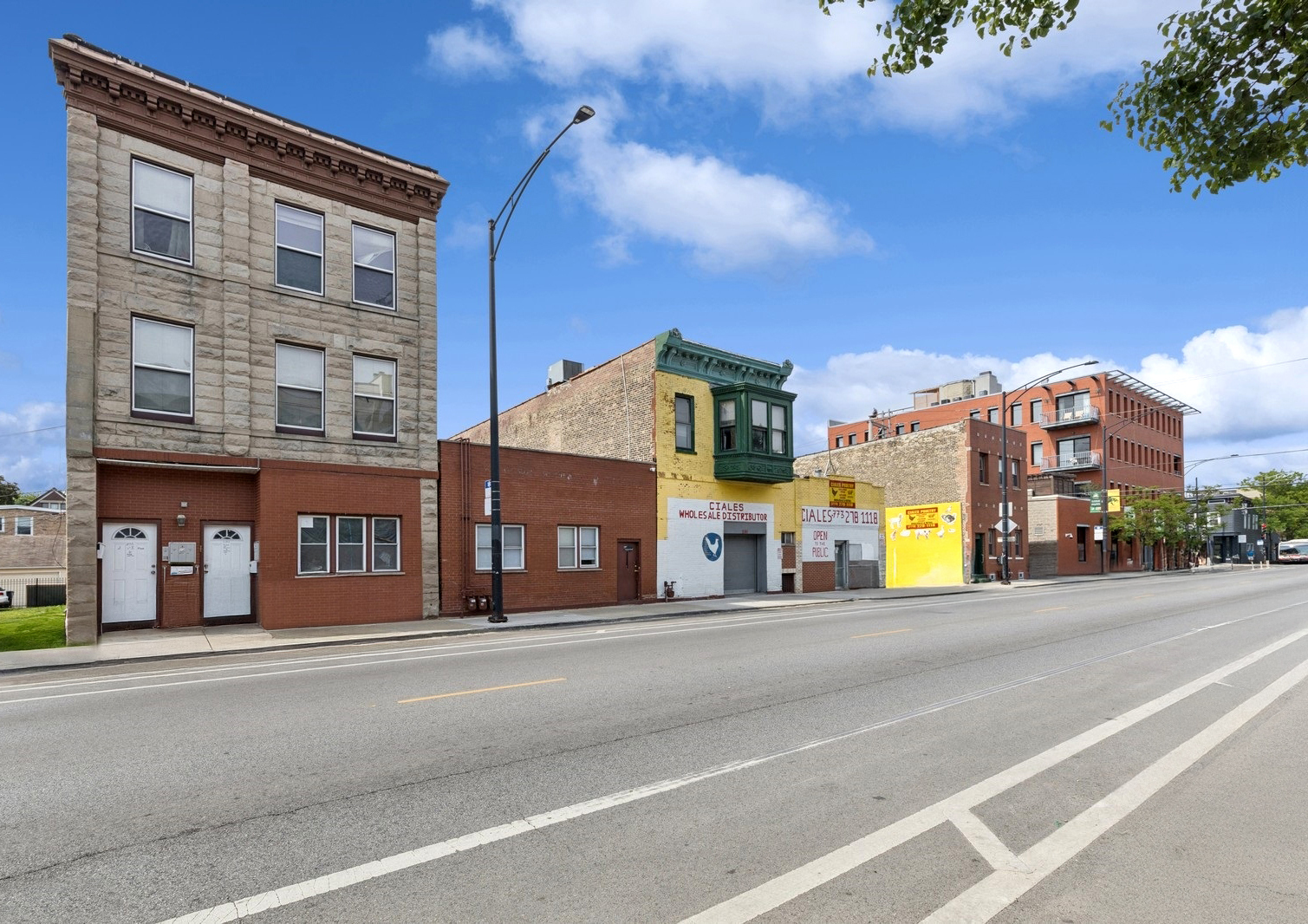
On the practical side, the Clybourn Corridor delivers the big-box and full-service retail that city living often lacks — major grocery, home improvement, and national stores within easy reach, which is a meaningful quality-of-life factor when you're carrying a week's worth of shopping. Add in everyday essentials scattered throughout the residential streets, and you get a neighborhood where you can handle a designer purchase, a hardware run, and the grocery list all in the same afternoon, mostly on foot.
Lincoln Park rewards buyers and sellers who go in informed — about boundaries, buildings, parking, taxes, and timing. The difference between a good outcome and a frustrating one in this market usually comes down to local knowledge and a strategy built around your specific goals, not a generic playbook. That's exactly the kind of guidance worth having in your corner before you write an offer or list your home.
Second City Agents is a Chicago-based brokerage with deep roots on the North Side and hands-on experience in Lincoln Park's distinct micro-markets — from vintage greystones in the landmark districts to new-construction homes and condo buildings throughout the area. Whether you're searching for your first place near the park, moving up to a family home in a sought-after school boundary, or preparing to sell and want a pricing strategy that actually performs, the team is ready to help you make a confident, well-timed move. Reach out to Second City Agents to start a conversation, get current comparables for your block, or schedule a no-pressure consultation — and let's find your place in Lincoln Park.
Lincoln Park has 33,145 households, with an average household size of 2. Data provided by the U.S. Census Bureau. Here’s what the people living in Lincoln Park do for work — and how long it takes them to get there. Data provided by the U.S. Census Bureau. 67,831 people call Lincoln Park home. The population density is 36,660 and the largest age group is Data provided by the U.S. Census Bureau.
Total Population
Population Density Population Density This is the number of people per square mile in a neighborhood.
Median Age
Men vs Women
Population by Age Group
0-9 Years
10-17 Years
18-24 Years
25-64 Years
65-74 Years
75+ Years
Education Level
Total Households
Average Household Size
Average individual Income
Households with Children
With Children:
Without Children:
Marital Status
Blue vs White Collar Workers
Blue Collar:
White Collar:
There's plenty to do around Lincoln Park, including shopping, dining, nightlife, parks, and more. Data provided by Walk Score and Yelp.
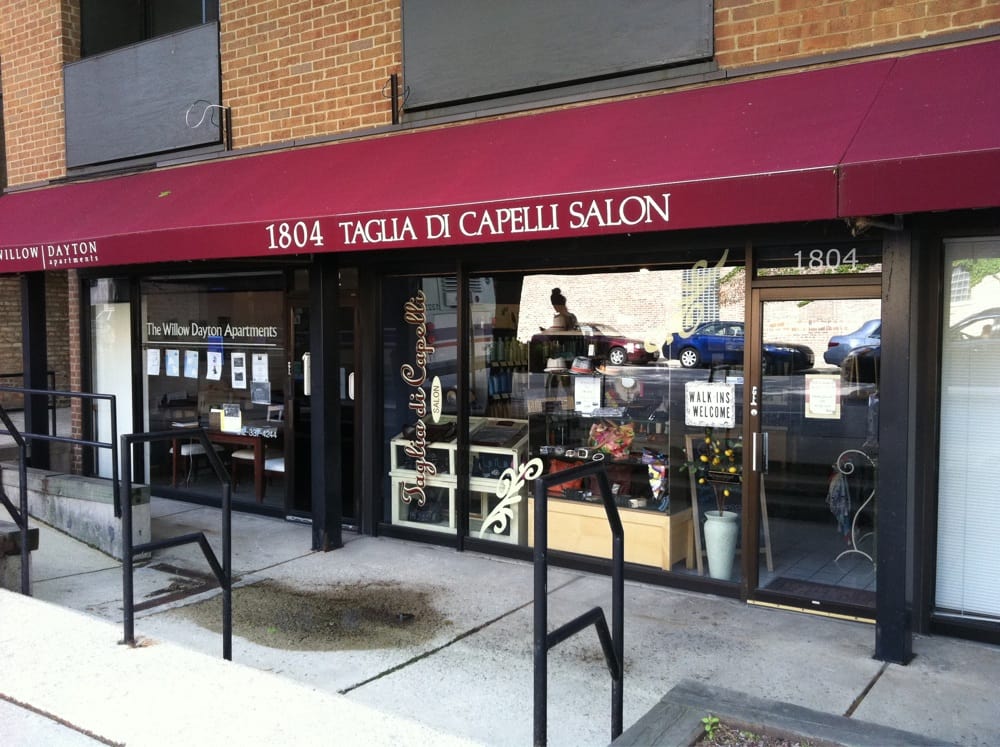
Explore popular things to do in the area, including J Warner, Sassy Coutore, and Up West.
| Name | Category | Distance | Reviews |
Ratings by
Yelp
|
|---|---|---|---|---|
| Dining | 0.46 miles | 0 reviews | 0/5 stars | |
| Shopping | 0.15 miles | 2 reviews | 5/5 stars | |
| Shopping | 0.34 miles | 0 reviews | 0/5 stars | |
| Shopping | 0.59 miles | 6 reviews | 5/5 stars | |
| Shopping | 0.63 miles | 1 review | 5/5 stars | |
| Active | 0.15 miles | 8 reviews | 5/5 stars | |
| Active | 0.63 miles | 0 reviews | 0/5 stars | |
| Active | 0.78 miles | 0 reviews | 0/5 stars | |
| Active | 0.84 miles | 2 reviews | 1.5/5 stars | |
| Beauty | 0.31 miles | 0 reviews | 0/5 stars | |
| Beauty | 0.32 miles | 0 reviews | 0/5 stars | |
| Beauty | 0.32 miles | 0 reviews | 0/5 stars | |
| Beauty | 0.49 miles | 0 reviews | 0/5 stars | |
| Beauty | 0.65 miles | 11 reviews | 5/5 stars | |
| Beauty | 0.71 miles | 9 reviews | 5/5 stars | |
| Beauty | 0.73 miles | 1 review | 1/5 stars | |
| Beauty | 0.84 miles | 5 reviews | 4.2/5 stars | |
|
|
||||
|
|
||||
|
|
||||
|
|
||||
|
|
||||
|
|

Compass
1643 N Milwaukee Ave, 1st Floor
Chicago, IL 60647
Hinsdale Office
1 Grant Square
Hinsdale, IL 60521
Second City Agents